
Palette First: The Anchor of Your Decor Capsule
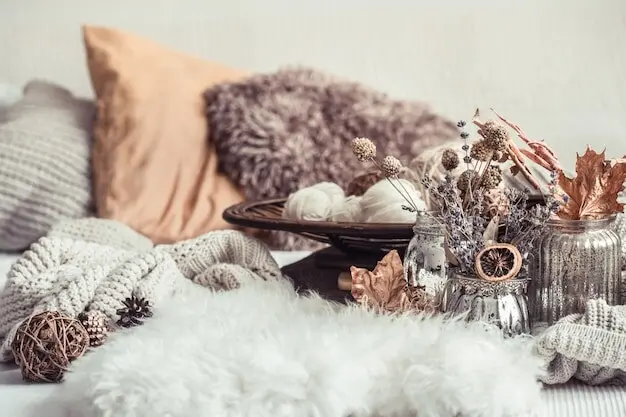
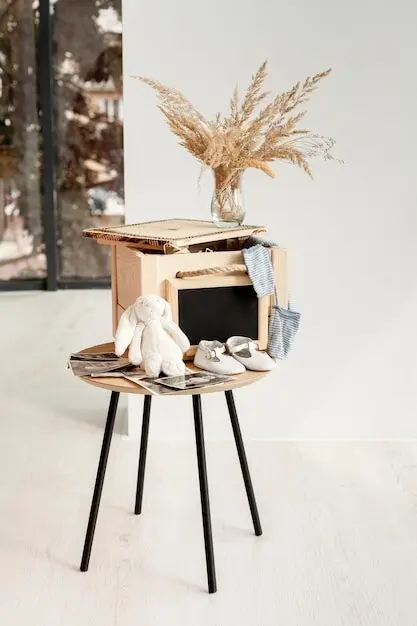
Start With An Anchor Hue
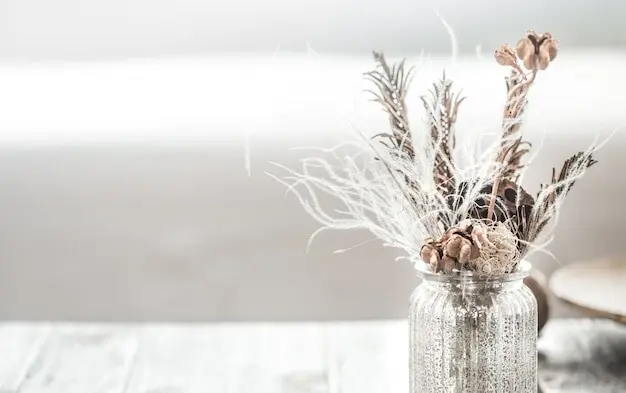
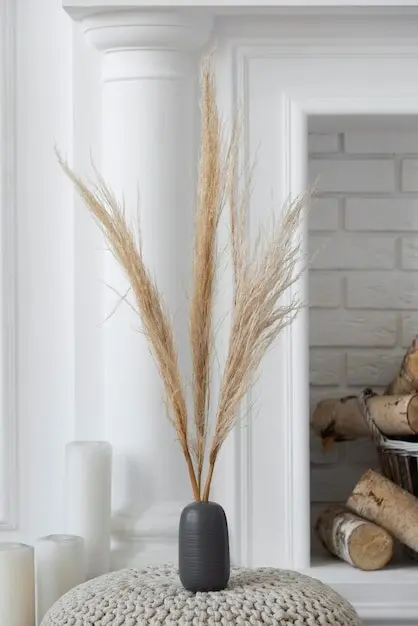
Neutrals With Character
Accents That Sing, Not Shout
Create Echoes Across Rooms
Choose two accent colors and map where they will reappear: hallway art mats, kitchen towels, office pencil cup, primary bath rug edge. These tiny echoes act like breadcrumbs guiding movement. Keep spacing intentional, allowing breath between repeats. If a shade looks lonely, add a partner within sightline rather than introducing a third. Track changes with a floor-plan sketch and stickers to visualize rhythm. Post your map and after photos to encourage readers who struggle to imagine continuity until they see it drawn.
Saturation And Finish Tuning
A single hue can whisper in chalky ceramic, speak normally in cotton, and sing in lacquer. Play within one color family while changing saturation and finish to modulate energy. If marigold feels risky on a wall, try a matte lampshade or woven tray first. Step back to evaluate balance against the anchor hue and neutrals. When you nail it, your accent appears purposeful rather than random. Share a split-screen of versions and ask followers which balance calms, energizes, and actually fits daily life.
Psychology And Storytelling Through Color
Morning Energy, Evening Calm
Plan the palette around circadian rhythms: crisp, luminous tones where mornings start, and grounded, lower-contrast combinations where nights wind down. If your anchor is cool, balance breakfast nooks with lighter woods and reflective whites; move toward velvety textures and deeper variations in the bedroom. A simple lamp switch from cool to warm bulbs transforms mood without repainting. Share your morning-to-evening comparison photos, and note how conversations shift when the same colors are lit differently, revealing why palette decisions must consider both time and task.
Meaning Fuels Consistency
When a color connects to memory—a grandmother’s saffron scarf, ocean swims, or clay soil from your first garden—you will naturally repeat it with care. Meaning resists impulse buys because every addition tells the same story. Translate memory to modern materials: saffron becomes wheat-toned linen, ocean becomes slate-blue tile, clay becomes terracotta planters. Capture a short anecdote card for your palette board, reminding you why this matters. Invite subscribers to comment with their origin colors, creating a library of lived inspirations for everyone.
First Impressions And Flow
Entries set expectations the hallway must uphold. Choose a quiet version of your anchor there—maybe two steps lighter or darker—then reprise it thoughtfully in sightline moments: a stair runner stripe, console catchall, or framed fabric swatch. Guests should feel a thread, not a shout. If the kitchen opens directly, link barstool upholstery to the entry rug accent. Walk your home with a camera at eye level to test transitions. Share your walkthrough video; community feedback often spots jarring shifts we stop noticing.
Light, Finish, And The Science Of Perception
Build A Board That Breathes
Start physical, then go digital. Pin large paint sheets, fabric swatches, a flooring sample, and two metal finishes to a foam board. Leave space so colors are not crowded into false harmony. Snap well-lit photos to build a consistent digital reference. Add one wild card for play, then test its compatibility for a week. Invite community votes on two versions; the comment patterns often reveal an anchor preference you already feel but have not trusted yet, unlocking clearer, more confident next steps.
Sample Like A Pro
Order peel-and-stick or roll paint onto poster boards, then move panels near baseboards, art, and upholstery. Layer textiles and finishes directly over edges to see interactions. Keep notes on shadow behaviors and midday glare. Bring samples to the store, not the other way around, so new finds must audition against your palette. Photograph everything in the same spot for consistency. Share your grid of test shots with followers; honest process pictures help everyone learn and reduce that awkward return pile we all dread.
Commit, Edit, And Maintain
Once harmony clicks, buy in deliberate batches and label leftovers for touch-ups. Add a calendar reminder to reassess seasonally; swap lightweight accents or rotate artwork to keep freshness without breaking cohesion. Track what receives the most compliments and where maintenance frustrates you, then adjust fabrics or sheens accordingly. Post a mini case study after three months—what stayed, what changed, and what surprised you. Your reflections will guide newcomers and remind you that a strong palette is a living framework, not a fixed rulebook.
All Rights Reserved.